SAMADHAN is the Labour Ministry’s portal for labour disputes and claims handled by central labour offices, such as unpaid wages, termination, gratuity or maternity benefit; if your workplace comes under your State labour department, ask it which channel to use. A POSH complaint is for sexual harassment of women at the workplace. They are separate systems under different ministries, with different officials, committees and time limits. If one situation involves both, prepare each part separately. This guide is for India.
Key points
- SAMADHAN is the Ministry of Labour and Employment’s portal for industrial disputes, labour claims and employment grievances.
- Central labour offices handle SAMADHAN cases through conciliation and quasi-judicial processes.
- Sexual harassment of women at work goes to the Internal or Local Committee under the POSH Act.
- One situation can involve both routes; each has its own documents and time limits.
Contents
What can be filed on SAMADHAN
SAMADHAN is the Ministry of Labour and Employment’s online portal, at samadhan.labour.gov.in, for workers, trade unions and employers. In a July 2025 reply in the Lok Sabha, the Ministry said disputes, claims and complaints filed there are handled by regional offices of the Central Industrial Relations Machinery (CIRM), through conciliation and quasi-judicial processes. It grouped them as industrial disputes (including termination); claims about gratuity, minimum wages, maternity benefit, equal remuneration and payment of wages; and general complaints. In July 2026 the Ministry described SAMADHAN Portal 2.0 as supporting online filing of industrial disputes, claims under the Labour Codes and real-time status tracking.
What the POSH route handles
The POSH Act, 2013 lets a woman who alleges sexual harassment at a workplace make a written complaint to the Internal Committee (IC). If the workplace has no IC because it has fewer than ten workers, or the complaint is against the employer, it goes to the district Local Committee (LC). The Act lists unwelcome conduct such as physical contact and advances, requests for sexual favours, sexually coloured remarks and showing pornography. The committee can recommend interim steps during the inquiry, such as a transfer or leave, and reports its findings to the employer or District Officer. To check whether the SHe-Box portal fits your situation, see workplace harassment notes in India: when SHe-Box fits.
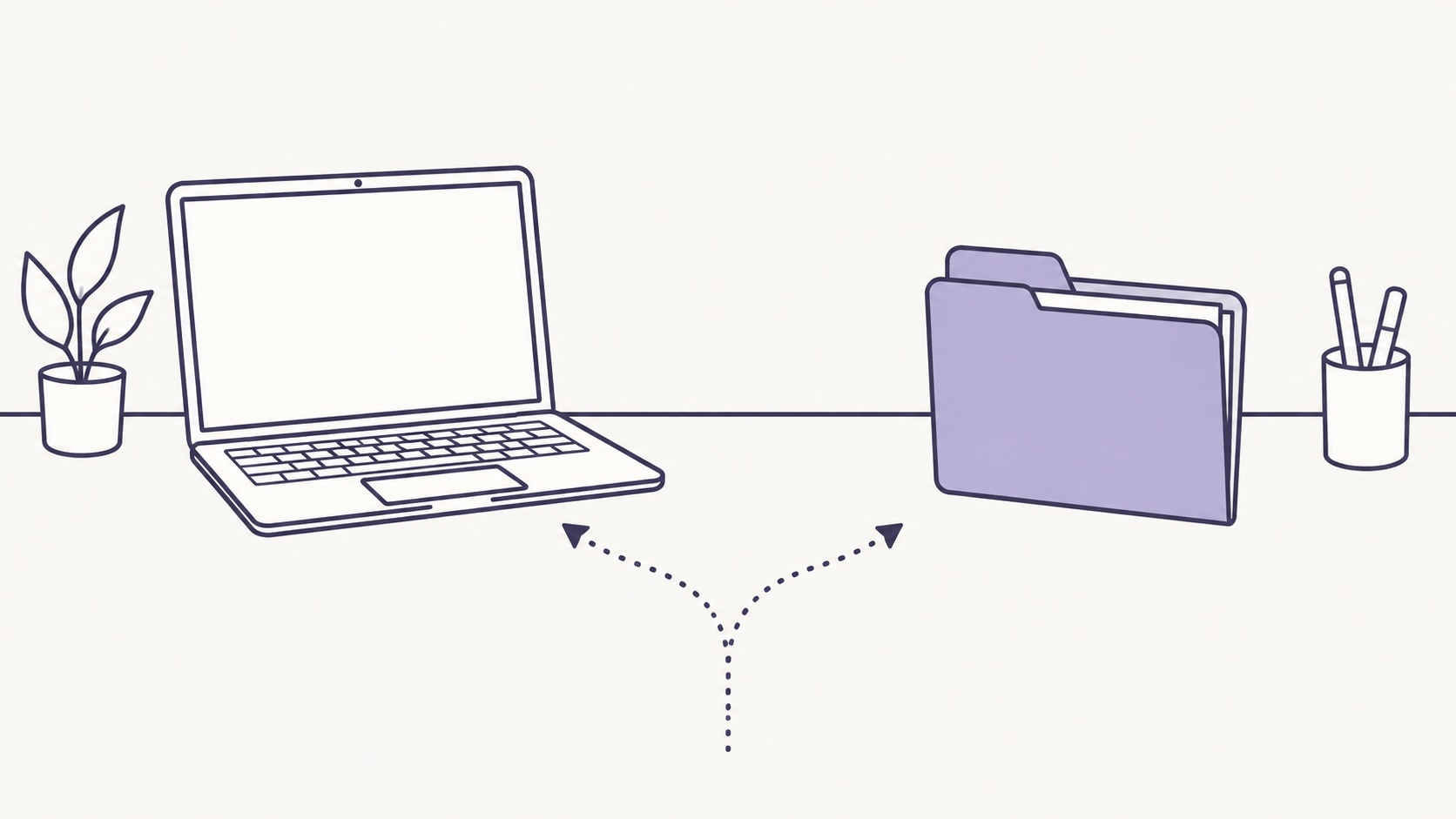
Sort one situation into separate questions
Invented example, not a real person or workplace: a sales executive says a senior colleague has sent her remarks of a sexual nature on WhatsApp since June. After she objected, her incentive was withheld and her August salary was paid late.
- The remarks: a POSH question for the IC. Prepare the dated incidents, the respondent’s name and designation, and your own replies.
- The late salary: a wage question for SAMADHAN or the labour office that covers the workplace. Prepare the appointment letter, pay slips and the dates salary reached your bank account.
- The withheld incentive: it may matter to both. Note when it was due, what you were told and by whom, and ask each office whether it will look at it.
Checklist before you file
- List the dates: each incident, each salary due date and payment date, and any warning or termination letter.
- POSH time limit: three months from the incident, or the last in a series. The committee can extend this by up to three months, recording its reasons in writing. Do not wait for a labour claim to finish before checking this date.
- Labour claims: ask the labour office about the time limit for your claim; do not assume the POSH limit applies.
- File each part with the right body: keep a copy of what you filed, the date, the portal or office and any reference number.
- Track each route separately: note every status update, notice and hearing date with the route it belongs to.
A short, dated record for each incident makes both easier; the free incident log template is one way to start.
Kirokune keeps your notes, photos and exported chats in time order on your iPhone, one case per situation, and can export a PDF (a Kirokune Plus feature) when you decide to share. It does not diagnose, decide what happened, or give legal advice, and it does not file anything for you.
Frequently asked questions
- Can I file a sexual harassment complaint on the SAMADHAN portal?
- SAMADHAN is the Labour Ministry’s portal for industrial disputes, labour claims and employment grievances. Under the POSH Act, a complaint of sexual harassment of a woman at work goes to the Internal Committee, or the district Local Committee, which has its own procedure and time limit.
- What complaints can be filed on the SAMADHAN portal?
- In 2025 the Ministry grouped SAMADHAN cases as industrial disputes, including termination; claims about gratuity, minimum wages, maternity benefit, equal remuneration and payment of wages; and general complaints. In 2026 it described claims as filed under the Labour Codes. Regional offices of the Central Industrial Relations Machinery handle them.
- Can I use SAMADHAN and a POSH complaint at the same time?
- They are separate processes under different laws. If one situation involves both, prepare a focused account for each, ask each office what it will look at, and keep track of each time limit.
Sources
- Press Information Bureau (Ministry of Labour and Employment) — SAMADHAN portal, 21 July 2025
- Press Information Bureau (Ministry of Labour and Employment) — SAMADHAN Portal 2.0, 17 July 2026
- Ministry of Women and Child Development — Sexual Harassment of Women at Workplace (Prevention, Prohibition and Redressal) Act, 2013 (Gazette of India)
Kirokune helps you keep a record. It does not diagnose, decide what happened, or give legal advice.